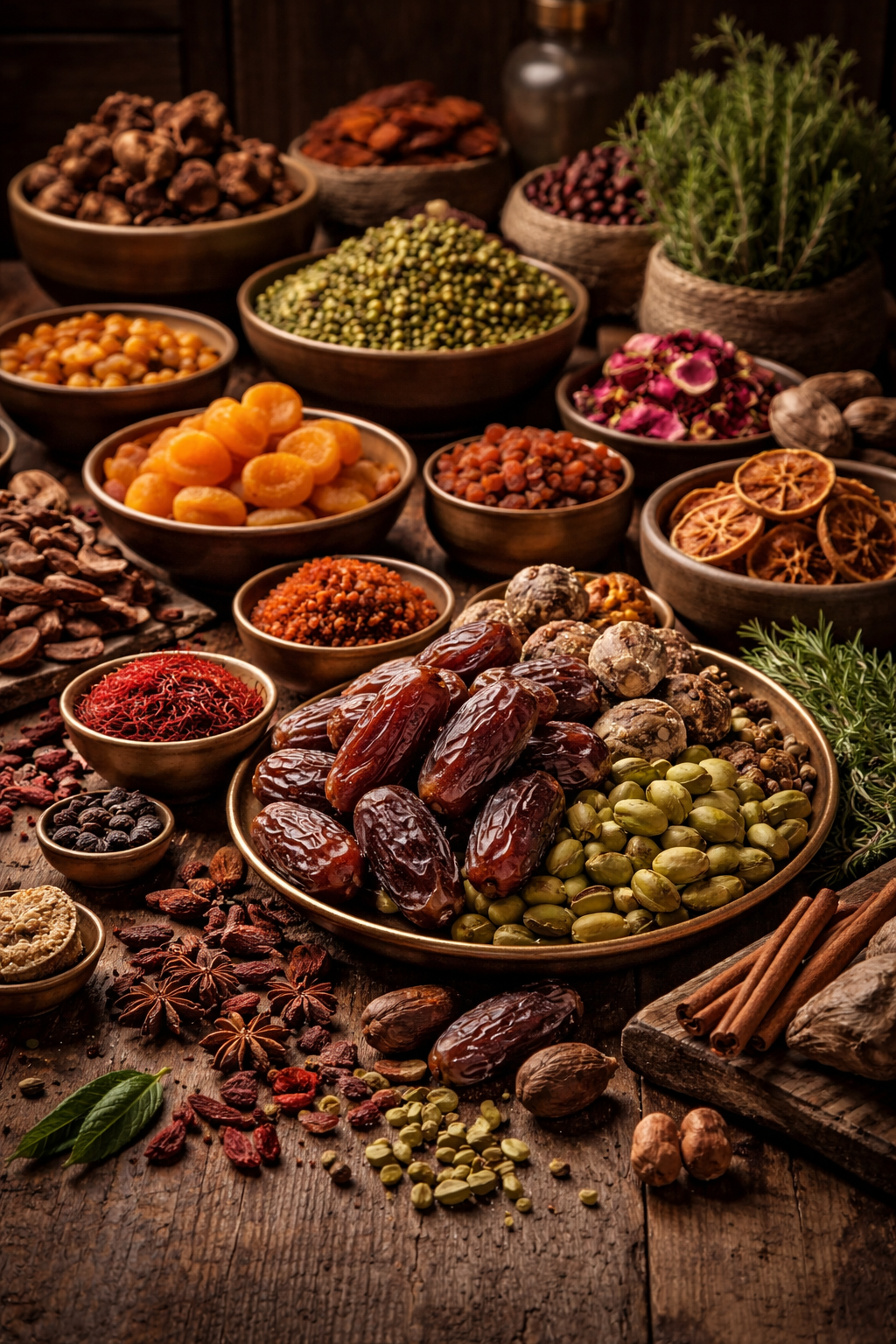
Introduction to the Paradigm of Anupana
In the classical science of Ayurveda, therapeutic efficacy is rarely achieved through the isolated administration of a singular active pharmaceutical ingredient. The holistic architecture of Ayurvedic pharmacology dictates that every formulation must travel with a companion substance that guides, carries, refines, and completes its action within the biological system. This ingestible medium is known as Anupana, derived from the Sanskrit roots “anu” (after, along with) and “pāna” (to drink). Traditionally defined as the liquid or ingestible vehicle taken alongside or immediately following the administration of medicine or food, the concept of Anupana extends far beyond the modern pharmaceutical definition of a passive excipient or diluent.
Reducing Anupana merely to a “vehicle” would be a profound oversimplification of its biological intelligence. In Ayurvedic epistemology, an Anupana functions as an active biological carrier and catalytic medium. It modulates the pharmacodynamics of the primary drug, directs its movement across biological barriers, enhances systemic absorption, mitigates potential adverse reactions, and aligns the formulation’s temperature and elemental qualities with the patient’s specific physiological constitution (Prakriti) and immediate disease state (Vikriti). The classical texts repeatedly assert that the clinical success of an intervention does not depend solely on the potency of the formulation itself, but equally on its proper Anupana, timing (Kala), dosage (Matra), and patient suitability (Patra). A poorly selected Anupana can render a highly potent medicine inert or even provoke undesired toxicological effects, whereas the same medicine administered with a meticulously chosen Anupana can act swiftly and with absolute therapeutic precision.
The necessity of Anupana is rooted in the physiological understanding of assimilation. Ayurveda recognizes that different substances possess distinct biochemical affinities toward specific tissues (Dhatus), microchannels (Srotas), and metabolic processes (Agni). When an appropriate Anupana is selected, it effectively carries the active components of the medicine deeper into the intended functional pathways of the body, ensuring both targeted delivery and harmonious systemic assimilation. Furthermore, the concept of Anupana extends deeply into daily dietary practice. Ayurvedic teachings emphasize that food itself should be accompanied by appropriate Anupanas to support digestion, breakdown, and cellular nourishment. Prescribing warm water after meals, thin buttermilk (Takra) for digestive support, milk after nourishing foods, or specific herbal drinks after heavy meals are all profound examples of this principle being applied to preventative daily life.
However, in contemporary clinical practice and mass-market commercialization, the sophistication of Anupana selection has often been overlooked. Many classical formulations are currently consumed in highly standardized ways without adequate consideration of individual constitution, digestive strength, seasonal variation, or disease-specific requirements. Consequently, the full therapeutic potential originally envisioned by the classical texts remains vastly underutilized. Recognizing this gap, modern Ayurvedic innovation is beginning to revisit the classical science of Anupanas with renewed scientific seriousness. By studying traditional references, understanding their complex pharmacological logic, and designing ready-to-use therapeutic carriers aligned with classical principles, the industry is seeking to restore this essential dimension of Ayurvedic treatment. This report provides an exhaustive analysis of the physiological mechanisms of Anupana, examines contemporary clinical case studies validating its role in bioavailability, and explores the market dynamics, regional industrial hubs, and manufacturing challenges associated with commercializing Ayurvedic delivery systems.
Pharmacodynamics and Pharmacokinetics of Classical Carriers
The intersection of traditional Ayurvedic principles and modern biopharmaceutics reveals that Anupana operates through highly sophisticated pharmacokinetic and pharmacodynamic pathways. The necessity of a co-administered carrier arises largely from the inherent low bioavailability of many potent phytochemicals, which are often poorly soluble in aqueous environments or highly susceptible to rapid metabolic degradation in the gastrointestinal tract and liver.
The Concept of Yogavahi and Bioavailability Enhancement
The foundational mechanism by which an Anupana enhances drug efficacy is through the profound augmentation of bioavailability—the proportion of an active compound that successfully enters systemic circulation and reaches the target site of action. In Ayurveda, certain specialized substances are classified as Yogavahi. This classification denotes substances that possess the unique capability to carry, synergize, and enhance the absorption and systemic distribution of any drug they are co-administered with, without asserting a dominant or interfering pharmacological action of their own.
Honey (Madhu) is heavily prescribed as an Anupana due to its inherently strong Yogavahi qualities. Because of its unique composition of natural sugars, enzymes, and trace minerals, honey rapidly enhances the potency of substances mixed with it and helps deliver them through minute biological channels without disturbing the body’s internal homeostasis. Similarly, the most scientifically validated classical bio-enhancer is Trikatu, a polyherbal formulation comprising Maricha (Piper nigrum), Pippali (Piper longum), and Shunthi (Zingiber officinale). The principal phytoconstituent of this combination is piperine, recognized globally in 1979 as the first scientifically documented bioavailability enhancer. When utilized as an Anupana or an adjuvant, piperine influences the pharmacokinetics of co-administered therapeutic agents through several highly distinct biochemical mechanisms.
Primarily, piperine acts as a potent inhibitor of human P-glycoprotein (P-gp), an efflux pump located in the intestinal epithelium that actively transports foreign substances out of cells, thereby preventing them from reaching their target sites. Concurrently, it inhibits Cytochrome P450 3A4 (CYP3A4), the primary isoenzyme responsible for the first-pass metabolic degradation of numerous drugs in the liver and intestines. Furthermore, piperine interferes with glucuronidation by lowering endogenous UDP-glucuronic acid content and inhibiting UDP-glucuronyl-transferase activity in the gut, which actively prevents the rapid conjugation and subsequent excretion of active pharmaceutical compounds. On a macro-physiological level, piperine induces rapid vasodilation in gastrointestinal tissues, leading to increased localized blood perfusion and a subsequent acceleration in the absorption of drug molecules across the intestinal lumen. It also stimulates gamma-glutamyl transpeptidase (GGT), an enzyme that facilitates the uptake of amino acids and the drugs structurally conjugated with them. Scientific documentation reveals that the co-administration of piperine significantly increases the serum levels and prolongs the half-lives of various synthetic allopathic drugs, including rifampicin, phenytoin, propranolol, and sulfadiazine, as well as highly lipophilic natural compounds like curcumin and beta-carotene. By acting as a robust Anupana, these bio-enhancers permit a reduction in the primary drug’s therapeutic dose, thereby minimizing the risk of drug toxicity, reducing patient treatment costs, and averting the onset of drug resistance.
Lipid-Based Drug Delivery Systems (LBDDS) and Lymphatic Transport
Ayurveda extensively prescribes lipid-based carriers, particularly Ghrita (clarified butter) and Taila (medicated oils), as Anupanas when medicines are explicitly intended to reach the nervous system, cross the blood-brain barrier, or nourish deeper structural tissues (Dhatus). The classical justification for this relies on ghee’s sūkṣma (subtle, penetrating) and saṃskāra-anugata (ability to retain its own properties while absorbing the properties of the herbs) characteristics. Modern pharmacological investigations deeply validate this ancient practice by highlighting the obligatory role of exogenous lipids in transporting hydrophobic (lipophilic) phytonutrients, such as curcuminoids, flavonoids, and carotenoids, which exhibit notoriously poor aqueous solubility and consequently poor systemic absorption.
When a botanical formulation is administered with a lipid Anupana, the hydrophobic bioactive compounds must first undergo a process of emulsification and micellization within the small intestine, a process catalyzed by pancreatic lipases and endogenous bile acids. Once these stable mixed micelles reach the intestinal enterocytes, the lipid molecules and the entrapped phytochemical payload are repackaged into chylomicrons—massive lipoprotein assemblies specifically designed for the transport of dietary lipids.
Crucially, because chylomicrons are too large to directly enter the hepatic portal vein, they are absorbed by the intestinal lacteals and transported through the lymphatic collecting system directly to the thoracic duct. This mechanism is a masterpiece of biological engineering: it allows the bioactive compounds to completely bypass hepatic first-pass metabolism, ensuring that the intact, unchanged phytochemicals reach the heart, lungs, and systemic circulation without premature metabolic degradation in the liver. Furthermore, because the human immune system is heavily localized within the lymphatic network, this specific delivery route allows potent phytonutrients to directly interact with circulating lymphocytes, modulating immune responses at the cellular level.
Additionally, advanced classical formulations often utilize naturally occurring structural modifiers to optimize this lipid delivery. For instance, the addition of Banslochan (bamboo manna, which is extraordinarily rich in natural silica) creates endogenous Silica Lipid Hybrid (SLH) microparticles within the formulation. These unique porous matrices provide a vastly expanded surface area for lipase activity in the gut, ensuring the optimal formation of the micellar phase and drastically increasing the bioaccessible fraction of fat-soluble nutrients.
Dosha-Specific Modulation and Therapeutic Steering
Beyond strictly enhancing bioavailability, Anupana serves as an intelligent steering mechanism designed to alter a drug’s ultimate therapeutic trajectory. Classical literature presents hundreds of instances where the exact same primary formulation is prescribed to treat entirely different systemic pathologies based solely on the strategic selection of the Anupana.
For example, the potent polyherbal formulation Yograj Guggulu acts as a targeted therapeutic for Vata-dominant nervous and skeletal disorders when administered with Rasnadi Kwath (a warm, unctuous herbal decoction). However, the same medicine effectively addresses Pitta-driven inflammatory disorders when taken with Kankolyadi Kwath (a cooling, pacifying decoction), and actively mitigates Kapha-driven congestive disorders when consumed with Aragwadhadi Kwath (a dry, scraping decoction). Similarly, the formulation Narayana Churna is indicated with Takra (buttermilk) for Udararoga (gastrointestinal distension), with Badarakashaya (jujube decoction) for Gulma (abdominal tumors), and with warm water for Ajirna (indigestion).
The selection of these ingestible vehicles is rigorously governed by the predominance of the Doshas. The general rule of Ayurvedic pharmacology dictates that the Anupana should ideally possess properties opposite to the vitiated Dosha to ensure homeostasis.
| Vitiated Dosha | Required Qualities of Anupana | Classical Examples of Vehicles |
| Vata (Air/Space) | Snigdha (Unctuous), Ushna (Warm), Nourishing | Ghee, Sesame Oil, Warm Water, Meat Soups |
| Pitta (Fire/Water) | Sheeta (Cold), Madhura (Sweet), Calming | Milk, Sugarcane Juice, Sweet Fruit Juices |
| Kapha (Water/Earth) | Ruksha (Dry), Ushna (Hot), Scraping/Stimulating | Honey, Warm Water, Fermented Gruels |
By pairing a primary drug with an opposing energetic vehicle, the Anupana actively buffers excessive potency, neutralizes potential gastrointestinal irritation, and harmonizes the medicine with the patient’s immediate metabolic state. For instance, highly potent heating herbs can cause severe gastric distress; however, when administered with ghee, the short-chain fatty acids like butyrate act as a protective buffering agent, creating an anti-inflammatory barrier along the gut lining that prevents mucosal irritation while still allowing the active drug to perform its systemic function.
Allied Pharmaceutical Processing: The Role of Bhavana
To fully understand the role of liquid vehicles in Ayurvedic medicine, one must also examine the pre-administration phase of drug design. The concept of Anupana is deeply allied with the pharmaceutical process of Bhavana (levigation or wet grinding). While Anupana involves mixing the vehicle at the point of consumption, Bhavana involves the repeated trituration of dry powdered herbs or minerals with specific liquid media (juices, decoctions, or animal products) during the actual manufacturing phase.
The process of Bhavana adds unique capabilities to the drug by altering its physicochemical and biological properties. The continuous wet grinding facilitates a dramatic reduction in particle size and ensures the uniform distribution of the active principles, effectively turning the formulation into a bioavailable micro-dispersion. Furthermore, the liquid used during Bhavana imparts its own therapeutic qualities (Gunantaradhana) to the primary drug, allowing for a quicker, augmented, and highly persistent action using only a minimal clinical dose. This technique is particularly critical in the preparation of Bhasmas (calcined minerals) and poisonous botanical drugs, where the liquid media acts as an organic chelating agent, neutralizing toxicity and rendering the inorganic material highly biocompatible. In the coming era of nanomedicine, the interplay between the liquid used in Bhavana during manufacturing and the liquid used as Anupana during administration represents a continuous, holistic strategy for optimizing drug delivery.
Clinical Validations and Scientific Case Studies
The theoretical frameworks of Anupana are no longer confined to historical texts; they are increasingly being subjected to rigorous scientific and clinical scrutiny. Modern clinical trials and advanced pharmacokinetic studies demonstrate highly measurable differences in patient outcomes and drug absorption profiles when classical medicines are administered with specifically targeted Anupanas.
Pharmacokinetics of Gold Bhasma (Swarnabhasma)
Bhasmas are incinerated, organometallic nano-preparations used extensively in Ayurvedic therapeutics for chronic autoimmune conditions, neurological disorders, and systemic rejuvenation. Due to modern allopathic concerns regarding heavy metal toxicity, understanding the precise absorption kinetics of these preparations is absolutely critical. A dedicated in vivo pharmacokinetic pilot study evaluated the systemic bioavailability of a 30 mg oral dose of Swarnabhasma (calcined gold) administered to 30 healthy human volunteers. The cohort was randomly divided into five equal groups to test the influence of different Anupanas: honey, a black pepper and ghee combination, lactose, glucose, and plain water as a control.
Blood samples were collected at 0, 1, 3, and 5 hours post-administration and analyzed utilizing highly sensitive Inductively Coupled Plasma Mass Spectrometry (ICP-MS). The findings revealed that the overall bioavailability of elemental gold from a single therapeutic dose is exceptionally low—calculated at less than 0.01% within the first five hours. However, the specific choice of Anupana drastically altered the absorption profile. The administration of the bhasma with honey yielded the highest peak plasma concentration (Cmax) of 0.002333 µg/L, achieving a delayed time-to-peak (Tmax) of 3 hours, indicating a slow, sustained release into the bloodstream.
Conversely, the combination of black pepper and ghee resulted in vastly accelerated absorption, achieving a Tmax of just 1 hour, a kinetic shift directly attributable to the bio-enhancing and vasodilatory effects of the piperine present in the black pepper. Notably, modern pharmaceutical excipients like lactose and glucose resulted in negligible to entirely undetectable gold absorption, profoundly underscoring the irreducibility of classical Anupanas to standard, inactive pharmaceutical diluents. The trace-level systemic absorption facilitated by these specific natural vehicles is hypothesized to be the primary factor ensuring the sustained safety, lack of cellular toxicity, and long-term therapeutic efficacy of Bhasma therapies.
Haritaki and the Principle of Rutu Haritaki
The rejuvenating botanical Haritaki (Terminalia chebula) exemplifies the advanced Ayurvedic concept of seasonal Anupana variation, known as Rutu Haritaki. This principle posits that the physiological requirements of the human body shift with seasonal environmental changes, and thus the vehicle used to deliver a daily tonic must adapt accordingly. To evaluate this claim, a randomized clinical trial involving 60 healthy volunteers was designed to systematically assess the bioavailability of a standard Haritaki decoction when administered with and without Sharkara (sugar) as its specific Anupana during the Sharad Ritu (autumn season).
By extracting plasma samples from the volunteers via a pre-inserted cannula at strictly predetermined intervals over 360 minutes, researchers utilized High-Performance Liquid Chromatography (HPLC) to quantify the systemic presence of active phenolic metabolites responsible for the herb’s antioxidant activity. A parallel experimental protocol is similarly evaluating the bio-enhancement of Haritaki using Saindhava Lavana (rock salt) as an Anupana. By administering 48 ml of the botanical decoction with 3 grams of rock salt, the trial tracks the exact absorption curves of the phenolic compounds via HPLC to definitively prove that salt modifies osmotic gradients and absorption rates in the gut. These rigorous studies are pivotal in establishing that traditional adjuvants are not merely flavoring agents intended to mask bitter herbs, but are highly active pharmacological agents that dictate the precise concentration of therapeutic metabolites entering systemic circulation.
Clinical Efficacy in Hyperlipidemia
A highly controlled comparative clinical study evaluated the real-world efficacy of Anupana selection during the internal administration of medicated oil (Shodhananga Snehapana) for patients suffering from hyperlipidemia. In Ayurveda, hyperlipidemia exhibits a close pathological resemblance to Abaddha Medas or Dhamani Praticchaya, characterized by the accumulation of unctuous toxins in the vascular channels. The study divided 40 subjects into two parallel groups: Group A received the required therapeutic medicated oil accompanied by Ushnajala (hot water, which acts as a general, broad-spectrum Anupana), while Group B received the identical oil accompanied by Mudga Yusha (green gram soup, which the classical texts explicitly specify as the supreme Anupana for administering therapeutic oils).
The recorded clinical outcomes demonstrated profound physiological variations based solely on the vehicle used. Patients in Group B exhibited subjective signs of ongoing oil digestion (Sneha jeeryamana lakshanas) for a significantly shorter duration and achieved completed digestion markers (Sneha jeerna lakshanas) much faster than the patients in Group A (with high statistical significance, p < 0.001). While both groups ultimately achieved a highly significant reduction in their circulating lipid profiles following the subsequent purgation therapy (Virechana), the targeted use of Mudga Yusha actively optimized the gastrointestinal processing of the heavy lipid therapy. It prevented the expected nausea and sluggishness associated with drinking raw medicated oils, proving it to be a vastly superior vehicle for treating lipid-metabolism disorders.
Management of Rheumatoid Arthritis (Amavata)
The profound therapeutic impact of an acidic Anupana in acute, painful inflammatory conditions was highlighted in a specialized clinical study involving 60 patients diagnosed with Amavata (the Ayurvedic clinical correlate to modern rheumatoid arthritis). The intervention consisted of a relatively simple botanical—750 mg of Nagara Churna (dry ginger powder)—administered alongside 15 ml of Kanji (a specifically fermented, highly sour rice gruel) acting as the Anupana, taken continuously for 21 days.
The synergistic action of the heating ginger powder and the fermented liquid vehicle generated robust, measurable internal physiological effects. The combination actively stimulated the weakened digestive fire (Agni Deepana), successfully digested circulating metabolic toxins (Ama pachana), normalized the disrupted downward flow of Vata (Vatanulomana), and cleared blockages within the microchannels (Shrotomukha vishodhana). The specific pairing of the active botanical with this probiotic, acidic vehicle resulted in highly significant relief from severe joint swelling (Shotha) and intense pain (Shula). The study concluded that the fermented vehicle itself actively participates in the resolution of the autoimmune pathology by altering the gut microbiome and facilitating the rapid systemic distribution of the gingerol compounds.
Complex Pathology Management: Gout and Optic Neuropathy
Further case studies illustrate the versatility of liquid carriers in severe acute and chronic conditions. In the management of Vatarakta (gouty arthritis), characterized by burning pain and severe swelling in the metatarso-phalangeal joints due to elevated serum uric acid, a targeted Ayurvedic protocol was utilized. A patient achieved remarkable clinical resolution through the administration of Guduchyadi Kashaya and Kaishora Guggulu paired with specific liquid vehicles, alongside Eranda Taila (castor oil) acting as a targeted purgative to clear the Raktavaha Srotas (blood channels) of metabolic waste.
Similarly, in a severe case of Traumatic Optic Neuropathy resulting from a motorcycle accident—a condition causing complete loss of vision and absence of waveforms in Visual Evoked Potential (VEP)—an Ayurvedic approach correlated the trauma to Abhighatajanya Vataprakopaj Drishtinash. The patient was treated continuously for 12 months with specific internal formulations accompanied by precise liquid Anupanas, alongside Yapan Basti (medicated decoction enemas) and Nasya (nasal oleation). The strategic use of lipid vehicles to bypass the blood-brain barrier and nourish the damaged optic nerve fibers resulted in a remarkable clinical improvement, restoring the perception of light and improving P100 latencies in the VEP report.
Even in complex intertwined pathologies, such as a patient suffering simultaneously from bronchial asthma (Shwasa) and hemorrhoids (Arsha), the concept of Nidanarthakar Vyadhi (where one disease causes another) dictated a combined approach. When standard asthma treatments failed, the integration of hemorrhoid-specific therapies delivered via targeted vehicles significantly increased the patient’s Peak Expiratory Flow Rate (PEFR) and reduced the respiratory rate from 28 to 18 breaths per minute, showcasing the absolute necessity of systemic, vehicle-guided therapy in complex clinical presentations.
Market Dynamics: The Commercialization of Ayurveda and Anupana
The painstaking translation of traditional Anupana concepts into modern, highly scalable commercial formats is occurring against the backdrop of an explosive expansion in the global traditional medicine and wellness market. Driven by rapidly rising health consciousness, a pervasive consumer preference for natural, side-effect-free therapies, and a massive post-pandemic focus on proactive immunity and preventative care, the economic footprint of Ayurveda is scaling at an unprecedented rate.
Global and Domestic Market Valuation
The global Ayurvedic market is currently undergoing a period of massive, sustained growth. While specific estimates vary slightly depending on the analytical source and the exact inclusion criteria (e.g., purely classical drugs versus herbal cosmetics), the consensus points to a monumental upward trajectory. The global market, valued at approximately USD 20.42 billion in 2025, is aggressively projected to reach USD 85.83 billion by the year 2033, exhibiting an exceptional Compound Annual Growth Rate (CAGR) of 19.72% throughout the forecast period. Alternative conservative industry estimates continue to place the market at a highly lucrative USD 46.32 billion by 2030 (at a 19.14% CAGR) , or USD 72.8 billion by 2030 (at a staggering 26.5% CAGR).
Regionally, the Asia Pacific sector accounts for the dominant share of this global footprint—holding over 78.62% of the market in 2025—which is largely anchored by India’s massive domestic consumption and robust manufacturing infrastructure. India’s domestic Ayush industry is expanding aggressively; having grown from a modest USD 2.85 billion in 2014 to USD 18.1 billion in 2020, it is projected to reach an impressive USD 16.27 billion (roughly Rs. 1.2 lakh crore) specifically for the highly regulated Ayurveda product manufacturing sector by FY28. This represents an anticipated CAGR of 15% for products and services combined over the next few years. Within this manufacturing space, purely herbal products continue to dominate, accounting for over 65% of the market share, while highly complex herbomineral formulations (which strictly require precise Anupanas) are identified as the fastest-growing sub-segment as consumers seek out potent chronic disease interventions.
| Market Metric | 2024 / 2025 Valuation | Projected Valuation (Year) | Projected CAGR |
| Global Ayurveda Market | USD 20.42 Billion (2025) | USD 85.83 Billion (2033) | 19.72% |
| India Ayurveda Product Market | USD 7.00 Billion (2024) | USD 16.27 Billion (FY28) | 15.00% |
| India Herbal Medicine Market | USD 4.56 Billion (2024) | USD 7.23 Billion (2032) | 8.00% |
| India Liquid Dietary Supplements | USD 315.0 Million (2024) | – | 12.2% (2025-2030) |
Table: Comprehensive valuation and growth projections for the global and domestic Ayurvedic and botanical medicine markets.
The Rise of “Ready-to-Use” Formulations and Liquid Carriers
A critical, ongoing challenge in modernizing Ayurvedic practice is ensuring patient compliance. Traditionally, Anupanas required daily, labor-intensive preparation by the patient. A practitioner would prescribe a dry powder (Churna), and the patient was responsible for brewing specific decoctions, fermenting grain gruels, or sourcing pure cow’s ghee or authentic buttermilk to use as the delivery vehicle. In the modern urban environment, this level of daily pharmaceutical preparation is highly impractical. To bridge this significant compliance gap, the market is pivoting aggressively toward “ready-to-use” classical formulations that ingeniously integrate the active medicine with its optimal Anupana directly within the commercial packaging.
The India liquid dietary supplements market, valued at a substantial USD 315 million in 2024 and projected to grow at a CAGR of 12.2%, directly reflects this industry-wide shift. Modern consumers overwhelmingly favor pre-packaged herbal concoctions, multivitamin tonics, amla shots, and stabilized aloe vera juices that act as natural, ready-to-consume carriers and bases for herbal actives. Innovations in the sector include ready-to-drink (RTD) functional Ayurvedic beverages, highly stabilized syrups, and effervescent botanical tablets that successfully emulate traditional liquid delivery systems while offering the modern conveniences of extended shelf life, portability, and highly precise dosing.
Specific commercial products highlight this successful integration. For example, Livomap Syrup, recognized as a proprietary formulation, integrates intensely bitter hepatoprotective botanicals like Kalmegh (Andrographis paniculata) and Kutki (Picrorhiza kurroa) into a single, standardized liquid format. By utilizing harmonizing carriers like licorice (Mulethi) and jaggery within the syrup base itself, the manufacturer effectively pre-packages the sweet, cooling Anupana with the harsh primary medicine, mirroring the classical practice of folk healers who historically mixed these bitter juices with honey to ensure gastric tolerance.
Similarly, historical formulations like Pancham Liquid, traditionally a freshly brewed winter decoction for respiratory distress, are now successfully commercialized as ready-to-use bottled syrups with integrated honey, eliminating the need for daily brewing while maintaining the required Yogavahi penetration. Fermented classical formulations like Poothikasavam, a mild alcoholic preparation used for deep abdominal disorders, inherently utilize self-generated alcohol as the highly penetrating Anupana to extract and deliver the active botanical constituents directly into the bloodstream. Even foundational polyherbal formulas like Triphala are being adapted into versatile, ready-to-use liquid formats such as stabilized mouthwashes and liquid hair washes, utilizing aqueous carriers to maximize localized absorption without requiring the consumer to manually process the raw powders. By leveraging advanced formulation technology, manufacturers are ensuring that Ayurvedic principles remain highly accessible to modern audiences while preserving the profound therapeutic wisdom of the classical carriers.
Regional Focus: The Emergence of Jammu and Kashmir as an Ayurvedic Hub
While traditional pharmaceutical manufacturing hubs like Kerala, Gujarat, and Maharashtra have historically dominated Ayurvedic production in India, changing government policies, infrastructure investments, and an increased focus on sourcing authentic botanical biodiversity are catalyzing the rapid emergence of new regional powerhouses. The Union Territory of Jammu and Kashmir (J&K) is currently positioning itself as a highly strategic central node in the modern Ayurvedic, botanical, and wellness manufacturing landscape.
Botanical Wealth and Industrial Infrastructure
J&K’s primary strategic advantage lies in its unique geography. The region’s diverse altitudinal gradients, pristine soils, and temperate climate naturally harbor over 500 species of high-value, rare medicinal and aromatic plants that are practically impossible to cultivate in the hotter plains of India. Historically, these highly potent raw materials were merely extracted from the wild and exported as raw biomass to mainland pharmaceutical hubs for processing. However, aggressive state industrial policies and infrastructure investments are now heavily incentivizing in-state processing, extraction, and finished-product manufacturing.
The economic dynamism of J&K is highly evident in its projected real Gross State Domestic Product (GSDP) growth of 7.06% for the 2024-25 fiscal year, alongside the establishment of nearly 2,000 new industrial units representing thousands of crores in investment. To facilitate this industrial transition, the government has designated specific geographical areas as dedicated industrial growth centers. Estates such as the Industrial Growth Centre (IGC) in Samba, the vast Industrial Complex in Bari Brahmanna, and the specialized Industrial Estate in Zakura provide the essential, uninterrupted infrastructure—power, water, and waste management—required for heavy pharmaceutical and Ayurvedic manufacturing units to operate at scale.
Scientific Backing and Startup Incubation
A critical, transformative pillar of J&K’s emergence is the deliberate integration of high-level scientific research with local grassroots entrepreneurship. The CSIR-Indian Institute of Integrative Medicine (IIIM) located in Jammu serves as a premier, globally recognized R&D institution, driving critical innovation in botanical drug discovery, complex formulation development, and the rigorous scientific validation of traditional medicine.
To actively foster an ecosystem of Ayurvedic and botanical startups, CSIR-IIIM has aggressively partnered with the Biotechnology Industry Research Assistance Council (BIRAC) to establish the state-of-the-art BioNEST Incubator at the Industrial Biotech Park in Kathua. Armed with a substantial funding commitment of Rs. 5.0 crore, this incubation hub supports emerging regional startups with invaluable mentorship, access to cGMP-compliant pilot plant facilities for herbal extraction and formulation, and highly sophisticated analytical validation services that are utterly crucial for meeting modern regulatory compliance. The recent National Startup Festival hosted by CSIR-IIIM showcased this immense momentum, successfully empowering 45 different startups focusing on biotech, agritech, and health innovations derived directly from regional botanical resources.
Capitalizing on this thriving, scientifically backed ecosystem, specialized manufacturing companies are expanding rapidly within the territory. Entities such as Alicanto Biotech, Himalayan Heal, Jackbon Human Healthcare, Phytologix Lifesciences, and Blessings Ayurveda are offering comprehensive third-party manufacturing and PCD (Propaganda Cum Distribution) franchise models to local entrepreneurs. By drastically lowering the barrier to market entry, these contract manufacturers allow ambitious startups to launch customized, high-quality Ayurvedic products—including complex liquid Anupanas, specialized syrups, and classically formulated capsules—without bearing the prohibitive, multi-million rupee capital costs associated with establishing independent, compliant factory infrastructure.
Commercial Challenges: Manufacturing, Shelf-Life, and Compliance
Despite the aggressive, multi-billion-dollar global market growth and the establishment of new regional hubs, the commercialization of complex Ayurvedic formulations and their respective biological Anupanas faces profound structural, regulatory, and quality control bottlenecks. The industry remains highly fragmented, heavily reliant on deeply unorganized raw material supply chains, and constantly challenged by the delicate, highly degradable nature of botanical chemistry.
Raw Material Quality and Manufacturing Disparities
The foundational challenge that plagues Ayurvedic manufacturing is the highly inconsistent quality of raw botanical inputs. Because the industry maintains a heavy reliance on unmonitored wildcrafting and deeply unorganized local markets, raw materials are highly vulnerable to seasonal variations, intentional adulteration, and accidental contamination. Extensive market studies indicate that nearly 20% of tested raw herbal samples in India exhibit outright substitution or heavy adulteration, accompanied by severe risks of heavy metal impurities and agricultural pesticide residue.
This foundational quality issue is drastically exacerbated by the vast operational disparities between massive, multi-national pharmaceutical enterprises and small-scale manufacturing units (SMEs), which make up a significant portion of the sector. While industry leaders utilize highly segregated manufacturing zones, automated zero-touch processes, and advanced in-house quality control laboratories equipped with HPLC and mass spectrometry, SMEs often struggle immensely. Routine quality audits reveal that these smaller units frequently operate with inadequate infrastructure, poor ventilation, partial adherence to Standard Operating Procedures (SOPs), and a severe lack of skilled, academically trained pharmacognosy staff.
| Quality Audit Parameter | Small-Scale Ayurvedic Units (SMEs) | Large-Scale Ayurvedic Enterprises |
| Physical Infrastructure | Inadequate zoning, poor ventilation & basic sanitation | Segregated zones, HEPA filtered controlled environments |
| Process Documentation | Manual, frequently incomplete Batch Manufacturing Records | Comprehensive electronic records, digitized tracking systems |
| Technical Manpower | Severe shortage of QA/QC staff, reliance on untrained labor | Highly qualified pharmacists, regular mandatory GMP training |
| QC & Testing Facilities | Limited in-house testing, heavy reliance on slow external labs | Dedicated internal labs with advanced chromatography instrumentation |
| Overall Audit Readiness | High rate of regulatory deficiencies (labels, hygiene, storage) | Generally strict, proactive compliance with Schedule T guidelines |
Table: Documented disparities in manufacturing standards and Quality Control between Small and Large-Scale Ayurvedic Manufacturers.
Shelf-Life (Saviryata Avadhi) and Stability Testing
The translation of classical formulations into modern commercial products absolutely requires scientifically validated expiration dating to ensure patient safety. In 2005, the modern concept of shelf-life was formally introduced and mandated for Ayurveda, Siddha, and Unani (ASU) medications, eventually culminating in a 2016 government gazette notification providing legally prescribed shelf-life durations for different classes of formulations.
However, the practical commercial application of these rigid guidelines is fraught with scientific challenges. The biological shelf-life (Saviryata Avadhi) of plant-based products is highly susceptible to endless variations in procurement methods, manufacturing techniques, and modern packaging materials. Liquid formulations, aqueous decoctions (Kwathas), and lipid-based Anupanas (Tailas and Ghritas) are particularly vulnerable to rapid microbial contamination, lipid oxidation, and photolytic degradation if exposed to light.
A critical review of published stability studies across the sector revealed stark, worrying non-compliance with the prescribed gazette values: the actual, analytically calculated shelf-life was found to be less than the legally prescribed duration in 54.68% of formulations tested, more than the prescribed duration in 35.93%, and matched exactly in only 4.68% of cases. Furthermore, the introduction of modern packaging technologies (like amber PET bottles and blister packs) and the controversial use of chemical preservatives (like sodium benzoate in liquid Kwathas) can significantly artificially extend classical stability timelines beyond historical texts. Consequently, fixing a rigid statutory duration without requiring product-specific real-time and accelerated stability testing is increasingly viewed by the scientific community as deeply inadequate, prompting urgent calls for more rigorous, formulation-specific regulatory guidelines based on actual chemical degradation data rather than blanket historical assumptions.
Regulatory Compliance and Global Pharmacovigilance
As potent Ayurvedic products attempt to enter highly regulated global markets, they face intense, often insurmountable regulatory scrutiny. In major export markets like the United States and the European Union, the integration of orthodox, highly linear pharmaceutical standards with complex, multi-herb traditional practices poses a massive hurdle. The U.S. Food and Drug Administration (FDA), for instance, has repeatedly flagged severe safety concerns regarding the presence of heavy metals (like lead, mercury, and arsenic) in traditional Bhasma formulations. This highlights a fundamental philosophical and legal divide: while India regulates these products as legitimate traditional medicines under the AYUSH ministry, the U.S. classifies them merely as dietary supplements, completely rejecting their medical claims and strictly policing their heavy metal content regardless of the Shodhana (purification) processes used.
Domestically, the sector struggles immensely with labeling compliance and the dangerous proliferation of misleading disease claims. Regulatory audits and market surveys reveal a alarmingly high incidence of non-compliance with the Drugs and Cosmetics Act of 1940, particularly regarding unauthorized, aggressive therapeutic claims for curing chronic, life-threatening diseases via online retail channels. To safeguard consumer trust, prevent dangerous herb-drug interactions with allopathic medicines, and protect overall public health, the implementation of robust, industry-wide pharmacovigilance networks is absolutely critical. The moral and legal responsibility increasingly falls upon manufacturers to establish proactive post-marketing surveillance systems to aggressively track adverse events and unexpected toxicities, finally dismantling the highly dangerous consumer misconception that because a product is “natural,” it is invariably “safe”.
The Role of Contract Manufacturing and Startups in Scaling Anupana
To successfully navigate the incredibly complex web of massive capital requirements, strict GMP compliance, and the need for rigorous quality control laboratories, the modern Ayurvedic industry is increasingly turning away from isolated boutique production and relying heavily on third-party and contract manufacturing models. This structural paradigm shift is absolutely crucial for the rapid, safe proliferation of ready-to-use Anupana formulations and complex liquid botanical carriers.
Highly specialized Contract Manufacturing Organizations (CMOs) operating in established and emerging hubs like J&K, Chandigarh, and Haryana provide comprehensive, end-to-end solutions for emerging wellness brands. By offering a suite of services that span from custom botanical formulation and clinical R&D to WHO-GMP certified high-volume production and complex regulatory documentation assistance, CMOs allow lean startups to completely bypass prohibitive, multi-million dollar infrastructure investments.
This highly symbiotic manufacturing ecosystem enables clinical practitioners, wellness entrepreneurs, and digital-first brands to commercialize incredibly complex classical products—such as specialized Asavas (fermented therapeutic liquids), Avalehas (dense herbal jams), and deeply penetrating Tailas—at a massive scale, while ensuring strict, reproducible adherence to modern pharmacopeial standards. Simultaneously, the agile startup sector is driving rapid product format innovation. Supported by substantial government funding initiatives like the Ministry of Ayush’s schemes and the broader Startup India program, these new, science-driven enterprises are pioneering highly effective fusion products. These innovations include effervescent botanical tablets, shelf-stable concentrated herbal shots, and highly standardized liquid decoctions that successfully encapsulate the precise therapeutic intelligence and bioavailability-enhancing properties of classical Anupanas into formats perfectly aligned with the demands and lifestyles of the modern global consumer.
The classical Ayurvedic concept of Anupana represents a highly sophisticated, remarkably early understanding of complex biopharmaceutics, targeted drug delivery, and pharmacokinetic modulation. Far from being passive, inactive diluents used merely to wash down a pill, these carefully selected ingestible carriers actively dictate the bioavailability, metabolic processing, systemic distribution, and ultimate clinical trajectory of primary therapeutic agents. Modern scientific methodologies—ranging from advanced HPLC analysis of phenolic metabolites in the bloodstream to ICP-MS tracking of calcined nano-metals—continue to unequivocally validate the physiological profoundness of pairing medicines with specific natural vehicles like piperine, complex lipids, and highly active fermented liquids.
Commercially, the rapid, explosive expansion of the multi-billion-dollar global Ayurvedic market underscores a massive, permanent consumer shift toward holistic, preventative, plant-based therapeutics. The aggressive modernization of classical Anupanas into ready-to-use, highly standardized liquid formats represents a incredibly lucrative frontier for product innovation and market penetration. Furthermore, strategic regional developments, particularly the rapid emergence of Jammu and Kashmir as a primary bio-industrial manufacturing hub backed by the robust, world-class research infrastructure of CSIR-IIIM, highlight the successful geographic and technological diversification of the industry.
However, realizing the full, uncompromised global potential of these botanical delivery systems requires the industry to overcome profound structural and regulatory challenges. The sector must urgently prioritize the absolute standardization of raw botanical materials, aggressively address the glaring scientific discrepancies in shelf-life determination using modern stability testing, and rigorously enforce strict GMP and pharmacovigilance protocols to completely curb dangerous adulteration and misleading therapeutic claims. By heavily leveraging the sophisticated technical capabilities of advanced third-party manufacturing organizations and financially supporting science-driven, innovative startups, the Ayurvedic industry can successfully bridge the historical gap between ancient pharmacological wisdom and contemporary clinical demands. In doing so, it ensures that the profound therapeutic elegance, safety, and precision of the Anupana delivery system is effectively and reliably delivered to the modern patient.